Premier Li Qiang calls on EU to address bilateral economic and trade issues fairly
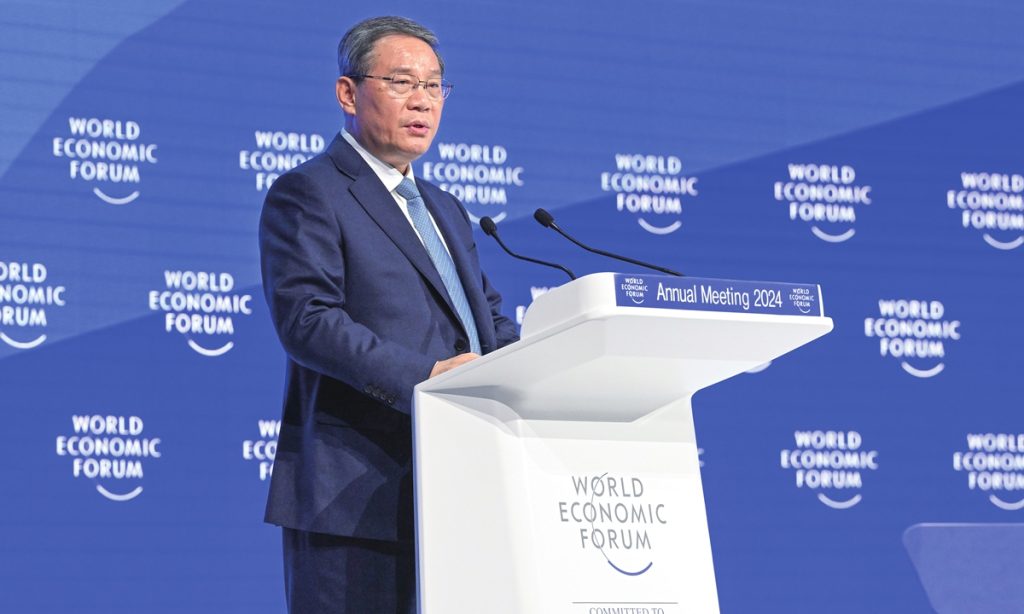
China hopes that the EU could uphold fair and justice in addressing the China-EU economic and trade issues to further promote business relations, said Chinese Premier Li Qiang when meeting with European Commission President Ursula von der Leyen on Tuesday during the World Economic Forum Annual Meeting 2024, the Xinhua News Agency reported.

"It is hoped that the EU will uphold justice, compliance and transparency in economic and trade matters, treat Chinese enterprises fairly, and prudently introduce restrictive economic and trade policies and deploy trade remedies," Li said.

China stands ready to import more products from the EU that align with market demand, and hopes the EU will relax export restrictions on high-tech products to China, Li noted, adding that it is hoped that the two sides will work together in the same direction to push for more balanced development in bilateral trade.

China pledged to continue fostering a market-oriented, law-based and internationalized business climate, and willing to work with the EU to jointly abide by the basic norms governing market economy, he said.

Li called on the two sides to take the next meeting of the China-EU High-Level People-to-People Dialogue mechanism as an opportunity to strengthen dialogue and cooperation in education, science and technology, culture and tourism, and accelerate the resumption of personnel exchanges to inject new vitality into China-EU relations.

China is willing to work with the EU to implement important areas of consensus reached in the China-EU Summit, and make bilateral ties more stable, constructive, and reciprocal, so as to better promote the prosperity and development of China, the EU and the broader world, he added.

Von der Leyen said that the EU appreciates China's continuous opening-up and does not intend to "decouple" from China. She said that EU is ready to work with China in tackling climate change and promoting the reform of the World Trade Organization and further develop bilateral relationship.
China-US close exchanges in many fields off to a good start for 2024: Global Times editorial

China-US exchanges in various fields got off to a good start in 2024. On the first day of the New Year, leaders of the two countries exchanged congratulatory letters on the 45th anniversary of the establishment of diplomatic relations between the two countries. Then the 17th China-US Defense Policy Coordination Talks were held in Washington from January 8 to 9. On Tuesday, Liu Jianchao, head of the International Department of the Communist Party of China (CPC) Central Committee, visited the US and was invited to deliver a speech at the Council on Foreign Relations and engaged in communication with the US side. Meanwhile, the Peking University Table Tennis Team's visit to the US and the University of Virginia Table Tennis Team's visit to China replayed the classic scene in the history of China-US relations, where the small ball pushes the big ball.

The simultaneous exchanges at the military, diplomatic and civilian fields are remarkable in this period as China-US relations are stabilizing and rebounding. The resumption and closeness of exchanges is what the Chinese and US societies as well as the international community anticipate. If China-US relations are stable, the world situation will not be in chaos; if China-US relations are unstable, the rest of the world will become concerned.

The perceptions, policies and actions of the US toward China in recent years have once brought China-US relations to a low ebb and created huge risks and potential dangers for the world. The serious consequences of the US' short-sighted policies have forced it to engage in rational reflection, and the concerns and expectations of the international community have formed a synergy that has prompted the US to make certain adjustments in its relations with China. After the San Francisco meeting, the US has shown more enthusiasm than before in implementing the important consensus of the two heads of state, and we hope that this is the result of the US drawing the lessons from the twists and turns in China-US relations in the past year, and that it will not make the same mistakes again.

Signs of relaxation in China-US relations also emerged at the beginning of 2023, but were quickly disrupted by the US sensationalizing the "balloon incident." Many actual actions by the US on issues concerning Taiwan Straits, the South China Sea, and high-tech exports to China not only failed to implement the consensus reached by the leaders and the commitments of US President Joe Biden but some instead went in the completely opposite direction, creating one vortex after another in bilateral relations. This year, China-US relations need to break free from these whirlpools.

Regarding China-US relations, China has consistently emphasized mutual respect, peaceful coexistence, and win-win cooperation. The US should genuinely meet China halfway. As long as the US continues to categorize China as a "competitor" or even a "threat," all of its policies toward China will ultimately push China in that direction, and the US' gestures of easing tensions, as well as communication and exchanges, may be seen by China as mere tactical maneuvers or expedient measures without sincerity, or even with malicious intent. The US needs to work together with China to rebuild the basic political mutual trust; otherwise, it will be impossible to achieve a healthy, stable and sustained development of bilateral relations.

The US, on the one hand, is pushing for what it calls intense competition with China, while on the other hand, it is concerned that this competition might spiral out of control into conflict and confrontation. This in itself is contradictory. If the US seeks communication and exchanges solely for the purpose of competing with China "safely" without concerns, the effectiveness of such communication and exchanges will be limited. It is even less likely to guarantee that the competition initiated by the US will always stay within the "guardrails" envisioned by the US. The US should abandon this unrealistic idea as soon as possible.

In this round of communication, China has expressed its sincere desire for strengthened cooperation with the US and goodwill for peaceful coexistence. However, China has also reiterated its unwavering determination not to compromise or concede on the Taiwan question. The US must acknowledge and respect China's major concerns. On issues related to China's core interests, especially the Taiwan question, which is at the very core of China's core interests, the US must exercise caution and not cross red lines. This is a prerequisite for the correct handling of China-US relations. Without this foundation, meaningful discussions become impossible.

China a dependable partner in Maldives’ development: national chamber

China has been a dependable partner in the development of the Maldives, and there are various areas in which both sides can strengthen bilateral cooperation under the China-proposed Belt and Road Initiative (BRI), ranging from the blue economy and digital economy to green technology, as well as infrastructure, the Maldives National Chamber of Commerce & Industry (MNCCI) told the Global Times.

The remarks came after the successful conclusion of the official visit to China of President of the Maldives Mohamed Muizzu from January 8 to 12. A slew of key cooperative projects were inked, as the two countries sought to deepen bilateral cooperation for win-win outcomes.

The presidential visit was eagerly anticipated by the business community in the Maldives, particularly with regard to fostering collaboration in enhancing tourism, facilitating secure infrastructure investments, and advancing cooperation in areas such as security, trade, and global challenges, the MNCCI said.

"China has consistently proven to be a dependable partner in the development of our nation," said the chamber.

China's participation in the economic development of the island nation has been evident under the BRI. One of the most prominent examples of recent Chinese investment is the China-Maldives Friendship Bridge, the first cross-sea bridge in the Maldives built by a Chinese company.

The bridge has significantly expanded economic connectivity, presenting numerous commercial prospects. According to the MNCCI, this has not only enhanced supply chain logistics but also led to the exploration of new housing opportunities, and development of the Youth City project in Hulhumale. The housing projects undertaken by Chinese investors have also propelled the development of the Youth City to unprecedented levels, the MNCCI said.

Another example is the expansion and upgrading of Ibrahim Nasir International Airport, with the participation of Chinese companies. This enhancement has significantly improved connectivity, bolstered tourism, and potentially created new employment opportunities.

Chinese investment, particularly in critical infrastructure projects, has injected much-needed capital for overall development, addressing essential areas such as housing, renewable energy, and waste management, the Maldives industry chamber said.

There are various areas where the chamber sees potential for enhanced cooperation with China, including the blue economy, which covers marine resources such as aquaculture and fisheries. Other areas are sustainable development and tourism.

The digital economy, in which China has expertise and technology is also an area that both sides can explore, including e-commerce, fintech and digital payments, the MNCCI said.
Green technology and infrastructure could also be areas for further cooperation with win-win outcomes, including climate resilient infrastructure, waste management and recycling.

The BRI has been a pivotal in the strengthened cooperation. Looking ahead, the Maldives business chamber said that "our future aspirations hinge on prioritizing sustainability initiatives... crucially, we emphasize the importance of training Maldivians to operate and maintain BRI projects, ensuring enduring benefits and contributing to the long-term success of these endeavors."

The MNCCI also underscored the need to preserve the strategic autonomy of the Maldives and diversification of partnerships to prevent an undue reliance on any single country.

S.China’s Guangdong seeks opinions to issue regulations rewarding 1 million yuan to individuals sacrificing their lives while acting bravely

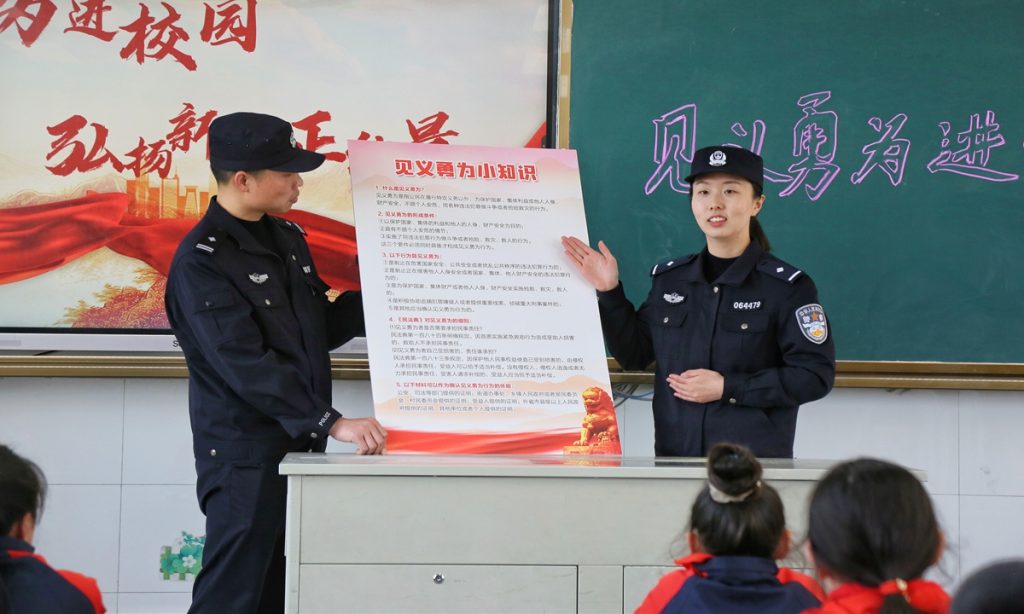
The Guangdong Provincial Public Security Department has recently released a notice seeking public opinions on the draft amendment of the regulations on the reward and protection of volunteer personnel who behave righteously in the province, in which the regulations stipulate that those sacrificed their lives will be awarded an additional one-million-yuan ($139,454) compensation for their righteousness.

South China's Guangdong Province aims to establish regulations that honor and protect the brave and righteous volunteer personnel, creating a more favorable environment for volunteer activities, according to the regulations. The public can submit feedback and suggestions to the provincial authorities before January 30.

In addition to receiving the corresponding awards given by the state and province for the individuals who have performed brave acts, the Guangdong provincial government will award a one-time bonus. For those who are completely unable to work will be awarded a bonus of 800,000 yuan, and those who win the title of national righteous and brave will be awarded a prize of 200,000 yuan, according to the regulations.

The act of bravery in the regulations refers to the actions of individuals who don't have legal responsibilities or obligations, but who, intervene in illegal and criminal activities or engage in rescue, emergency response and other actions, for protecting national and public interests, or others' life and property safety.

Citizens are encouraged to take appropriate and effective actions to carry out the acts of bravery, including stopping illegal and criminal activities that endanger national security, public safety, or disrupt social order, according to the regulations.

The regulations also stipulate county- or above-level governments within the province should reward those individuals who conduct acts of bravery such as releasing notification of commendation, awarding prizes and awarding the title of honor.

In order to ensure those individuals' legitimate rights, the regulations also stipulate that any organization or individual, who witnesses someone who is injured by performing a heroic act, should promptly inform the public security organs and medical institutions, and take measures to assist in treatment and provide aid. Medical institutions should prioritize treatment, and can not refuse or delay treatment.

The country has been making efforts to make sure the legitimate rights of those individuals who conduct brave acts are protected. In June 2023, a young deliveryman Peng Qinglin jumped off a high bridge to save a drowning woman in Hangzhou, East China's Zhejiang Province. Hangzhou authorities awarded Peng the title of honor and a cash prize as well.

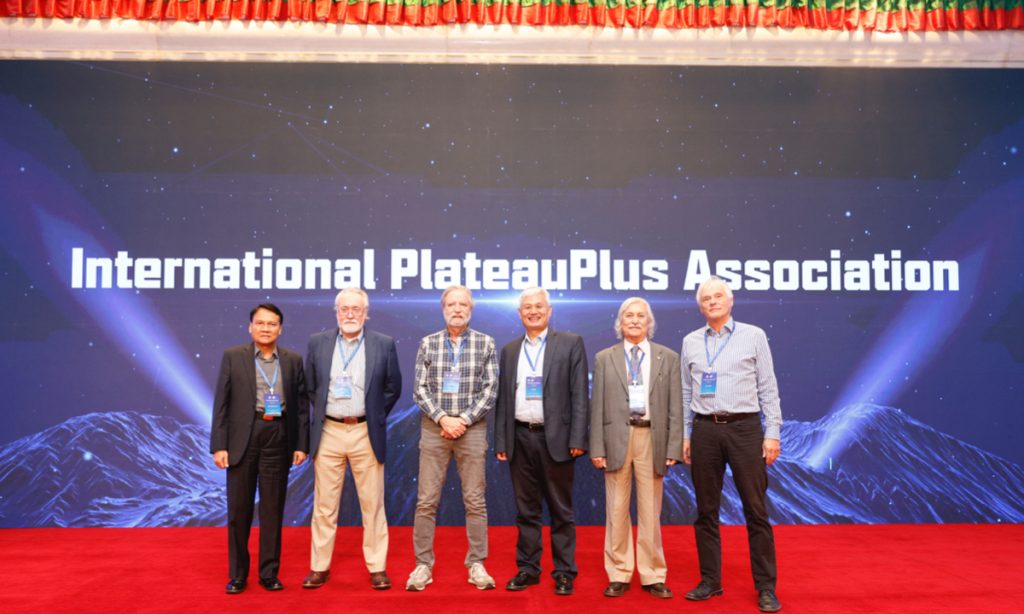
China-proposed International PlateauPlus Association launched in Beijing to build new model for global cooperation in Earth system science

Witnessed by 150 scientists from eight countries, the International PlateauPlus Association (PlateauPlus) was established Thursday in Beijing, during the PlateauPlus Workshop held by the Institute of Tibetan Plateau Research (ITP) and the Chinese Academy of Sciences (CAS).

PlateauPlus is a platform proposed by Chinese scientists that aims to unite top research institutions and scientists from more than 20 countries across the globe where giant plateaus are located. It is designated to serve as an international platform for mega plateau research and to develop a new model of interdisciplinary and cross-regional global cooperation in Earth system science, read a statement the ITPCAS sent to the Global Times.

The association will focus on the Qinghai-Tibet Plateau and Iranian Plateau in Asia, the Colorado Plateau and Columbia Plateau in North America, the Altiplano Plateau in South America, the East African Plateau in Africa and the Alps in Europe. It will conduct research on the formation and evolution of plateaus, environmental effects, biodiversity changes and human adaptation. It will also decipher the coupling mechanism between plateau uplift and surface environmental changes, and reveal the changes in plateau habitability and human social evolution, according to the ITPCAS.

Mega plateaus have significant impacts on the environment, biodiversity, and human survival. Previously, the ITPCAS mainly focused on studying the Qinghai-Tibet Plateau, which has also attracted many foreign scientists. However, besides the Qinghai-Tibet Plateau, other mega plateaus around the world also have a tremendous impact on these aspects. So it's a good idea to unite scientists all around the world to jointly examine all these mega plateaus and find out what factors have played a vital role or how these plateaus affect each other in shaping the current environmental landscape, rivers as well as human migration and adaptation, Ding Lin, an ITP researcher and Academician of the CAS and one of the initiators of PlateauPlus, told the Global Times.

"Although aspects of the orographic development of the Tibetan region are still actively debated, collaboration across disciplines and testing ideas within the rigor of mathematical models are honing our understanding of the highly complex natural processes inherent to the Tibetan geo/ecosystem. If humans are ever going to manage our planet in a responsible and informed way, then the lessons we have learned from Tibetan Plateau research must be applied more widely to other orographically complex systems. These lessons are not just those relating to the science itself, but how we do the research, how we improve our methodologies, how we nurture international collaboration and integrate local knowledge with broader global perspectives," said Robert Spicer, emeritus professor of Earth Sciences at The Open University in the UK.

"We now have a magnificent toolbox of methodologies and ideas that can be used to investigate other plateaus worldwide, so it is time to explore and integrate plateau system research globally," Spicer said. He noted that as a world leader in science, China is very attractive for foreign scientists.

During the two-day PlateauPlus Workshop, global scientists discussed the formation and evolution of plateaus, environmental effects, biodiversity changes, and human adaptation.

Ding said that in the future the ITPCAS will host workshops in different countries, fostering a truly global perspective.

Field excursions in various global mega plateaus will be a crucial part of the journey, offering hands-on experience and deeper insights. A key focus will be engaging more and more local institutions, especially from regions like East Africa and South America, which are currently underrepresented, according to Ding.

Strengthening these connections is essential for a more comprehensive understanding and inclusive approach to the research, he noted.

As China rings in 2024 with a bang, work starts on major projects

As the clock ticked into 2024, several Chinese provinces including East China's Anhui and Central China's Hunan began a new round of construction of major projects, signaling a robust start to the new year. The growth in investment brought an encouraging sign for economic growth.

Analysts told the Global Times on Thursday that this development laid a solid foundation for investment in 2024, and these new projects are expected to generate significant economic benefits and jobs, and ramp up investment that will drive economic growth.

On Tuesday, Anhui held a groundbreaking ceremony for the Hefei-Wuhan High-Speed Railway, along with the first batch of major projects for 2024. So far, 460 major projects have been launched in the province, with a total investment of 489.63 billion yuan ($68.5 billion).

These projects range from infrastructure to emerging industries and include 33 projects with an investment of more than 3 billion yuan.

Insufficient investment in 2023 hindered economic development in China, but the situation improved at the end of the year. With improving development expectations and new policies conducive to industrial development, investment is expected to further increase this year, Tian Yun, a veteran economist based in Beijing, told the Global Times on Thursday.

"I am most optimistic about the energy sector this year," Tian said. "As an emerging industry, it has shown promising growth momentum and proven to have the potential to inject vitality into China's economic growth."

Hunan Province started on Wednesday work on 11 major projects with a combined investment of 87.2 billion yuan.

Emerging industries are playing a pivotal role in driving investments. Among the 460 projects initiated in Anhui, 253 are in emerging industries, including new-energy vehicles, smart grids, advanced photovoltaic systems and new materials, with total investment of 247.66 billion yuan. 

All across China, regions are gearing up for a strong start to the new year, with a focus on emerging industries.

In Xiamen, East China's Fujian Province, 25 of the 63 newly launched projects are related to industries such as new energy, new materials and biomedicine, making up 39.68 percent of the total.

Central China's Henan Province on Monday announced policies to promote a robust economic start to the first quarter, with 100 projects each worth of 10 billion yuan in investment.

"I expect a rise in investment can provide the impetus to achieve 5 percent GDP growth for China in 2024," said Tian. 

Cold wave sweeps through northern China; many places welcome this winter's first snow

As a cold wave swept across northern China, the Chinese capital welcomed its first snow of the winter on Sunday evening. Traffic in Beijing has also been affected by the snowfall, with heavy congestion during the morning rush hour on Monday.

Following the snowfall, Beijing was covered in a silver-white coat, presenting picturesque scenes at Beihai Park, the watchtowers and the Shenwu Gate of the Forbidden City. The snow covered the buildings of the Forbidden City, making the red walls and golden tiles appear more vibrant, creating a striking contrast with the pristine white snow, resulting in a beautiful and magnificent sight. Coincidentally, the Forbidden City is closed on Mondays, presenting a serene and peaceful atmosphere after the closure.

Different from the Forbidden City, the Universal Studios theme park is bustling as usual.  Many visitors wearing wizard robes headed straight to the Harry Potter's Wizarding World area, checking in at the silver-clad Hogsmeade Village, as if they have "traveled" into the classic snow scenes from the movies.

Netizens were amazed by the snowy scenes and expressed optimism for a prosperous year with auspicious snowfall. Many netizens from the southern regions expressed their envy, saying, "Beijing has already seen the first snow, while in Shenzhen, Guangdong Province, we still need to use electric fans. Southerners who have never seen snow are eager to personally experience it!"

Also enjoying the first snow was the star giant panda Meng Lan, "the 3rd Prince of Xizhimen," who once went viral for "breaking through" the enclosure at the Beijing Zoo. On the snowy day, Meng Lan rolled and happily frolicked in powedery snow. Visitors couldn't help but chuckle at the adorable sight.

From 7 pm on Sunday to 6 am on Monday, the average snowfall in Beijing was 5.1 millimeters, with the urban area averaging 5.8 millimeters. The highest snowfall occurred in Pupuwa, Fangshan district reaching 9.8 millimeters. According to Beijing Public Transport Group, as of 6 am, a total of 172 bus routes had been adjusted due to the snowy weather, including 157 routes that had been suspended, nine routes with adjusted sections, and six routes with detours and skipped stops.

The Beijing Capital International Airport plans to operate 1,100 flights and transport approximately 150,000 passengers on Monday. As of 7 am, 84 flights had been executed and 59 flights had been canceled. At 6 am, the airport initiated targeted de-icing operations, and a total of 22 flights had been de-iced. The overall operation of Beijing Capital International Airport remains normal.

Affected by a strong cold air mass, the meteorological department in East China's Shandong Province issued a blue warning for cold wave and a yellow warning for road icing on Saturday, and continued to issue a yellow warning for strong winds at sea on Sunday. Under the influence of the cold wave, there was also moderate to heavy snow and local blizzards in the northwest and central regions of Shandong. In addition, the city of Yulin in Northwest China's Shaanxi Province experienced significant rain and snow and a drop in temperatures on Sunday. Several local meteorological monitoring stations recorded snowfall at the level of heavy snow, and the average temperature dropped by 6 C to 8 C.

In Zhengzhou and Xinxiang, Central China's Henan Province, primary and secondary schools, as well as kindergartens, had half-day off on Monday.

On Sunday, a significant drop in temperatures occurred across most parts of Northeast China's Heilongjiang Province, with the lowest temperatures expected to reach -25 C to -30 C in some areas from December 10 to December 15. To cope with the cold weather, various measures had been taken to strengthen water and heating supply and other livelihood guarantees. In Fujin city, the local heating company has increased the frequency of inspections on heating equipment such as pipelines and valves to ensure the quality of heating.

To ensure the safety of passengers, the railway departments had suspended 112 passenger trains heading to Beijing, Xiamen, Chengdu, Taiyuan, among other routes, with some trains experiencing delays.

Chinese researchers develop novel dry-powder inhaled vaccine technology; study published in Nature

Researchers from the Institute of Process Engineering (IPE) of the Chinese Academy of Sciences have proposed a new "nano-micro composite" delivery concept for vaccines and developed a single-dose, dry-powder, inhalable vaccine platform. The vaccine made in the laboratory based on the technology is effective in blocking respiratory viral infection and transmission in animal test, showing great promise for combating future emerging and epidemic infectious diseases. This study was published in Nature on Wednesday. 

In recent years, researchers have made significant progress in developing vaccines for infectious respiratory diseases. However, most of these vaccines are administered through intramuscular injection, which primarily induces a humoral immune response and relies on blood antibodies to neutralize the virus. This approach fails to trigger a mucosal immune response and establish a robust immune barrier in the respiratory tract, according to a release from the research group.

The current liquid form of vaccines requires to be stored in strict low-temperature, and the two- or three-dose vaccination schedule also impacts the overall vaccination rate.

In confronting these problems, professor Wei Wei and professor Ma Guanghui from the State Key Laboratory of Biochemical Engineering at IPE, in cross-disciplinary collaboration with professor Wang Hengliang and professor Zhu Li from the State Key Laboratory of Pathogen and Biosecurity, have developed a new vaccine platform.

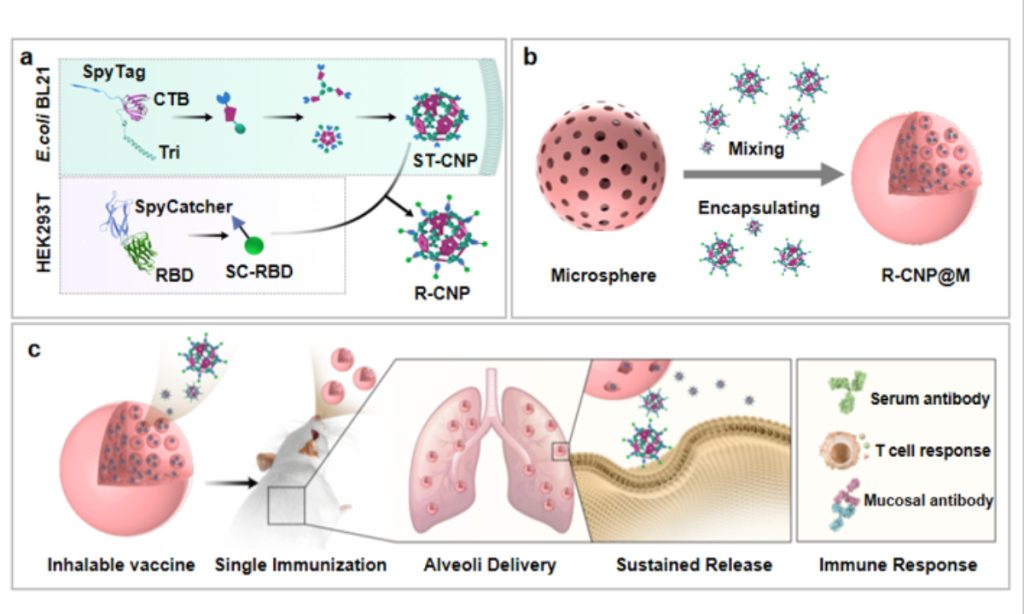
This platform combines biodegradable microspheres with protein nanoparticles. The surface of these nanoparticles can simultaneously display multiple antigens, thus inducing a broad-spectrum immune response and expanding the range of vaccine protection. The platform also allows for the quick and convenient development of other respiratory virus vaccines due to the flexibility of antigen presentation.

The platform's unique nano-micro composite structure enables an efficient immune response in the lungs by facilitating high-performance delivery. Once antigen-nanoparticles are released, they can be efficiently taken up by antigen-presenting cells. 

Moreover, this dry powder vaccine significantly reduces storage and transportation costs, making it suitable for areas with limited refrigeration facilities, thus improving immunization rates.

The sustained release of antigens in the vaccine induces long-lasting humoral, cellular, and mucosal immunity with just a single inhalation

In cooperation with professor He Zhanlong of the Institute of Medical Biology of the Chinese Academy of Medical Sciences, the researchers developed a model of airborne protection, close contact protection, and airborne transmission blocking, which demonstrated that an inhaled vaccine is highly effective in preventing the virus infection and transmission.

"The components of this nano-micro system used natural proteins and approved polymer materials, and the effectiveness and safety of the vaccine have been systematically studied in non-human primates, indicating its great potential for clinical translation," professor Wei said.

Taiwan player praises enthusiastic Chengdu audience after basketball match at Universiade

"The audience here in Chengdu is incredibly enthusiastic, and I deeply enjoyed the game. Every time we scored or made a good defensive play, the audience gave us big rounds of applause and cheers," basketball player Yu Ai-Che from the Chinese Taipei team told the Global Times on Monday evening after the competition against the Chinese team at the 31st FISU World University Games in Chengdu.

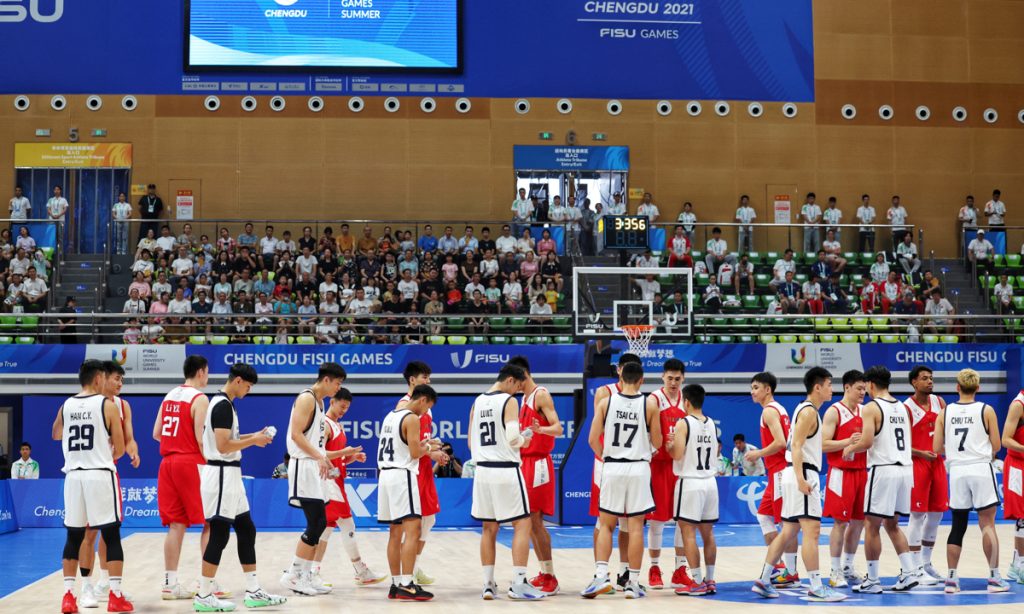
In Monday's Men's basketball competition, the Chinese Taipei team defeated the mainland team with a score of 97:84. Both teams had previously suffered two consecutive defeats by Lithuania and Brazil in the earlier group stage, which meant they had no chance of advancing to the top eight.

"The atmosphere in Chengdu is fantastic, and I'm extremely grateful to the audience. They continually cheered and clapped for our team throughout the game. I've played in the mainland when I was in high school, and I definitely want to play with mainland players again to improve both our techniques," said Yu Ai-Che after the competition.

In addition to the audience's passionate support for both teams from the first period to the last, the Global Times also noted that during the halftime break of the match, the panda-shaped mascot Rongbao and the entire audience sang the song "A Family Who Loves Each Other" together. The Taiwan island's folk song "Maiden of Alisan" resonated with the people present. The two teams also exchanged gifts before the start of the match.

Mainland player Zhang Ning said that he gave plush toys of Rongbao to his friends from the island of Taiwan, just as he would bring back souvenirs for his family.

New world heritage sites show continuity of Chinese wisdom

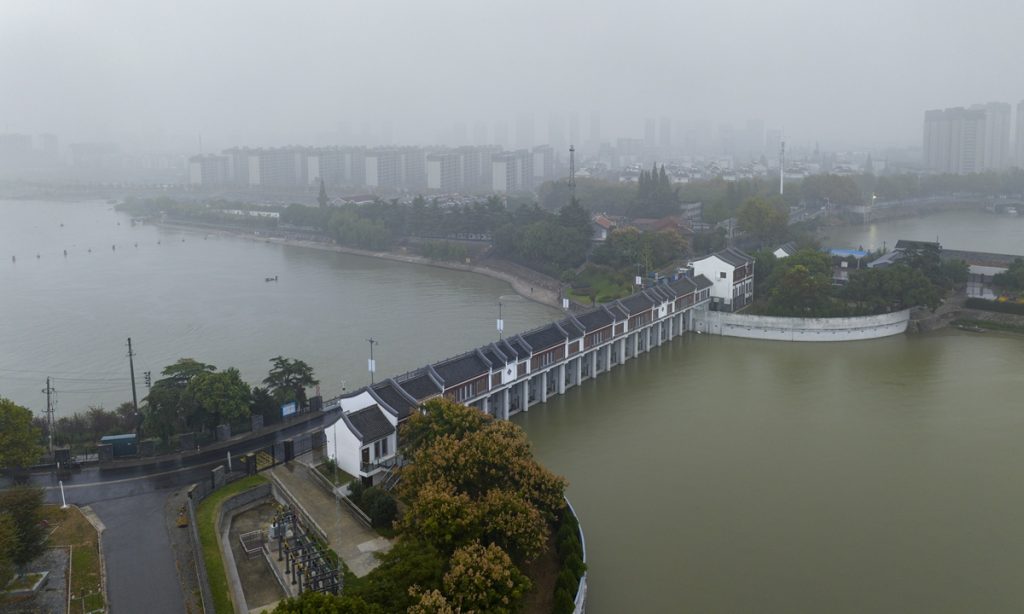
Including a more than 2,000-year-old water diversion dam in East China's Anhui Province, four ancient Chinese irrigation works were recently listed as World Heritage Irrigation Structures (WHIS). 

The four Chinese heritage sites are Qimenyan, also known as the "seven-door weir" in Anhui Province; the ­Hongze Lake Irrigation System built in AD199 in East China's Jiangsu Province; Huoquan, a spring type water system in North China's Shanxi Province; and the Baini Weirs, two dams in Central China's Hubei Province. 

Although these projects are generally defined as "irrigation systems," their typologies, geographical conditions and historical value vary. Taking Qimenyan as an example, it is located in a hilly wetland environment and its main channel connected with sub-mechanisms like ponds, ditches and canals. Thus, the system could be used to store as well as distribute water.  

Another iconic project, the Baini Weirs, consists of two 1,000-year-old dams that are still being used for flood control and water supply. It is a typical example of a large-scale stone-built structure in ancient China. 

Yuan Han, an architectural and urban planning expert, told the Global Times that the scattered locations of these sites reveal that "water management" was a "national-level plan" in ancient China. The Chinese ingenuity in irrigation engineering equated with today's concept of "sustainability" as it respected natural conditions. 

"Yin Di Zhi Yi [lit: creating something in line with local conditions] is a major philosophy used in ancient design. It is early advice to the world from China on how to carry out sustainable development," Yuan told the Global Times. 

Including the newly added sites, China has a total of 34 irrigation projects on the WHIS list. The 2023 list was announced at the 74th International Executive Council Meeting of the International Commission on Irrigation and Drainage (ICID) in India. 

A total of 15 projects from countries like India, Iraq and Turkey were all added to the 2023 list. Among them, China's landscape of irrigation systems are the richest and have the widest distribution.  

Environmental expert Jia Boyang told the Global Times that a site should have "several boxes ticked" to be considered a "heritage" site. The evaluation is not limited to looking at a site's history or characteristics.  

"A heritage site should be able to show continued value to humanity and social and cultural developments. These ancient irrigation systems across the country also reflect China's long-standing strength in agriculture," said Jia. 

China's "water project" heritage is an open door for many to look into the country's agricultural history. Ancient irrigation supported not only the harvest on farms, but also the entire country's economic development and cultural exchanges. 

Besides the new batch of function-oriented sites, the Beijing-Hangzhou Grand Canal that was built during the Spring and Autumn Period (770BC-476BC) carries great social importance. Starting from Hangzhou to Beijing, the grand water belt is a major part of China's South-to-North Water Transfer Project. It has promoted the country's overall economic growth while allowing folk and cultural traditions to be exchanged between the northern and southern parts of China. 

Founded in 1950, the ICID is an international platform dedicates to the innovative sustainability of irrigation system design and flood control around the world. 

As a member of the organization, with its burgeoning technological and manufacturing powers, China has co-launched several irrigation projects overseas with countries like Egypt and Kazakhstan.   

"Chinese water engineering projects reflect the country's creative character and also the continuity of the country's profound civilization," said Yuan.